
The hum of a crowded room in a Melbourne CBD venue has changed over the past decade, and not just because the carpet got a fresh lay. Modern gaming floors now run on systems that feel more like a well-oiled sporting club operation than the old coin-drop parlours. Players slide in a card, tap a screen, and watch a reel set spin with graphics that would have looked out of place on a desktop monitor back in the day. The shift has been steady, practical, and driven by operators who want machines that hold attention without feeling like a gimmick.
Behind the glass and the brightly coloured symbols sits a stack of hardware and software that keeps evolving. Touch panels, faster processors, and tighter payout validation have turned the humble pokie into a piece of consumer electronics that needs to pass rigorous testing before it ever sees a lounge. Australian regulators have kept a close eye on the transition, making sure the new gear meets integrity standards while still giving venues a product that can compete for attention. It is a balancing act that has pushed manufacturers to think harder about reliability, accessibility, and the way a game actually feels to play.
For the regular who grabs a quick session after work, the changes are subtle but noticeable. The machines boot up faster, the menus are easier to navigate, and the bonus rounds tend to flow with less friction than the clunky interfaces of a decade ago. Operators notice the difference in dwell time and in how often a player sticks around for another spin rather than walking off to the bar. That kind of retention matters in a market where venues are competing with streaming, sports betting apps, and a whole lot of other distractions for the same dollar.
The conversation around cutting edge pokie machine tech has moved well past flashy screens and into the nitty-gritty of how these systems handle payments, data, and player engagement without losing the simple appeal that keeps people coming back. Below is a look at the practical developments shaping the Australian scene, from the hardware under the hood to the way venues are fitting out their floors and the operators leading the pack.
Processing Power and Display Tech Under the Hood
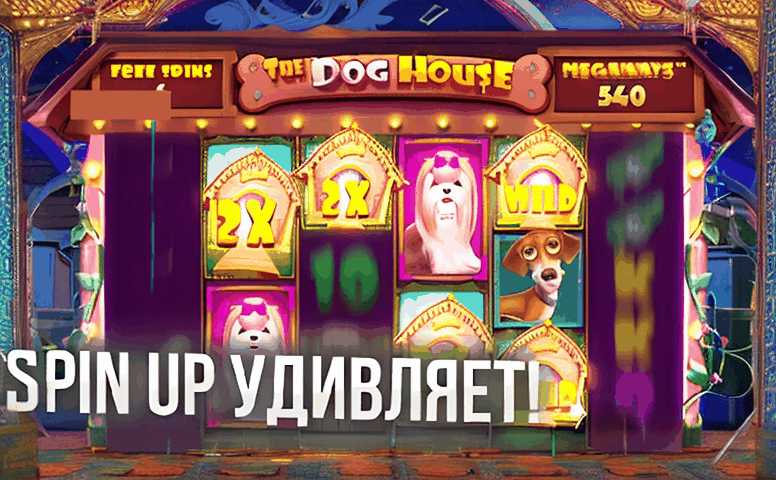
The guts of a modern machine have come a long way from the early days of mechanical reels and simple logic boards. Today’s cabinets run on processors built to handle high-resolution graphics, quick state transitions, and the kind of smooth animation that keeps a bonus round feeling crisp rather than stuttery. Manufacturers have had to balance performance with thermal management, because a machine that runs hot in a packed venue is a machine that needs constant attention from the tech team.
Screen technology has shifted in parallel, with panels now tuned for readability under bright lounge lighting and from a range of viewing angles. The aim is not just to make the symbols pop, but to keep the interface legible when a player is standing a few steps back or when the room is buzzing with noise and movement. A well-calibrated display reduces squinting and makes the whole session feel less like a chore and more like a proper bit of entertainment.
A mate who works the late shift at a regional venue outside Geelong once pointed out that the old machines used to take a solid minute to reset between players, which killed the vibe when the crowd was rolling in after the Friday rush. The newer builds handle handovers much faster, and that kind of responsiveness matters when a venue is trying to keep the floor moving without making anyone feel rushed. Speed here is not about pushing people through; it is about removing the little friction points that add up over a night.
Under the hood, the move toward more efficient architectures also helps with power draw and maintenance cycles. Venues are paying closer attention to running costs, and a machine that sips power while staying responsive is a better fit for a floor that runs long hours. The practical gains might not be obvious to a player pulling up a chair, but they show up in the way a venue can keep its gear reliable without constant tinkering.
Touch Interfaces and Accessibility That Actually Works
The shift from buttons to touchscreens brought a lot of flexibility, but it also introduced a new set of design challenges. A screen that looks sleek in a showroom can feel fiddly when a player has had a few, or when the lighting is glare-heavy and the glass reflects the room back at them. Good interface design now accounts for those real-world conditions, with button sizes, contrast, and layout tuned for quick decisions rather than perfect studio conditions.
Accessibility has become a proper focus rather than an afterthought. Clearer font scaling, straightforward menu paths, and controls that work for players with different motor abilities are now part of the conversation during development. The goal is to make sure the machine is easy to use without turning the experience into a tutorial, because nobody wants to spend the first five minutes of a session figuring out how to adjust a setting.
There is a quiet satisfaction in a well-built interface that does its job without calling attention to itself. A regular at a Sydney inner-city club once mentioned that the best machines are the ones where the menus feel obvious the first time you tap them, and the bet adjustments slide without any fuss. That kind of feedback is the sort of thing developers listen for, because it points to a design that respects the player’s time and attention.
Touch panels also open the door to smoother interactions with bet levels, paytables, and game settings, which means less hunting through nested menus. When the layout is clean and the taps register reliably, the whole experience feels less like negotiating a gadget and more like settling into a game. That is the kind of polish that separates a machine that gets played from one that gets ignored on the far end of the floor.
Immersive Audio and Visual Design That Holds Attention
Sound and visuals do a lot of the heavy lifting when it comes to keeping a game engaging, and the latest builds treat both as part of the same experience rather than separate add-ons. Audio cues are tuned to land at the right moment without overwhelming the room, and the visual pacing is designed to feel steady rather than frantic. The idea is to create a session that feels absorbing without leaning on gimmicks that wear thin after a few spins.
Themed presentations have also become more refined, with artwork and animation that hold together as a coherent package instead of feeling like a wallpaper slapped over a generic game. A strong theme gives the machine a bit of personality, and when the graphics, symbols, and motion all point in the same direction, the whole thing feels more considered. Players notice when a presentation has a consistent tone, even if they would not put it in those words. Au
A mate who runs a small hospitality spot in Perth once said that the machines with the cleanest presentation tend to draw the most consistent traffic, because they feel like they belong on the floor rather than looking like they were dropped in from a catalogue. That kind of observation lines up with what developers aim for when they treat a game as a complete package rather than a set of separate features.
Visual clarity matters just as much as style, especially when symbols need to be read quickly and paylines need to be easy to follow. A machine that looks busy but reads clearly is a better fit for a real venue than one that dazzles for a minute and then becomes hard to parse. The best presentations strike a balance between polish and practicality, which is why the design work behind the scenes matters as much as the final look.
Prioritising readability over flashy effects ensures players stay engaged without squinting at the screen. Many Australian operators now consult independent deal aggregators like local casino specials to balance budget constraints with high-quality display standards. This practical approach keeps the gaming floor functional and welcoming for everyone.
Smart Payment Systems and Cashless Integration
Payment handling has moved from simple coin mechanisms and card readers into a broader mix of digital options that fit how people actually carry money these days. Cashless play has become a practical feature rather than a novelty, with systems built to handle transactions smoothly while keeping the gaming flow intact. The focus is on reducing friction at the start and end of a session, because a payment step that feels clunky can sour the whole experience before a single spin.
Integration with loyalty and account systems has also become more seamless, which means players can move between playing, tracking rewards, and managing their balance without jumping through hoops. Venues benefit from a cleaner operation, and players get a more straightforward experience when the payment side is handled in a way that feels natural rather than forced. The trick is making the technology invisible enough that it supports the session instead of becoming the main event.
Zoe Scott, Payments Strategy Director, Harbour Bet Insights, says the shift toward smoother payment flows is less about chasing new features and more about removing the little delays that break a player’s rhythm. She notes that when a transaction feels quick and reliable, the rest of the session tends to hold together better, which is why payment design now gets treated as part of the overall game experience rather than a separate back-office concern.
Security and compliance sit alongside convenience, and any system that handles money or account data has to meet strict standards before it lands on a floor. Australian operators have had to work through those requirements carefully, making sure the new payment features fit within the rules while still giving players options that feel current. It is a practical balance, and the venues that get it right tend to see a smoother operation overall.
Game Mathematics and Fair Play Verification
The math behind a pokie is what keeps the whole thing honest, and the latest systems have built-in verification tools that help operators and regulators check that the games are running as intended. Random number generation, payout validation, and audit trails are now part of the standard setup, which gives venues a clearer picture of how a machine is performing over time. That level of oversight matters in a market where trust is everything and players expect the games to be fair in practice, not just in theory.
Testing labs and compliance checks have become a normal part of bringing new hardware to market, and that process helps catch issues before a machine ever reaches a lounge. The aim is to make sure the presentation, the math, and the operational behaviour all line up with what the game is supposed to do. When the verification side is handled properly, operators can focus on running the floor rather than worrying about whether a machine is behaving as expected.
Claire Baker, Gaming Technology Consultant, Blue Mountains Interactive, says the newer verification tools give operators a much clearer view of how a machine behaves across a full day of play, which helps spot irregularities early. She points out that the practical value of those tools shows up in how confidently a venue can manage its floor, because the data backing the game is easier to check and easier to trust.
The player side of fairness is just as important, because a game only holds attention when it feels credible. Clear paytables, understandable bonus mechanics, and transparent rules all contribute to that sense of trust, and the latest machines tend to present that information in a more readable way. When the rules are easy to follow, the game feels less like a black box and more like something a player can engage with on their own terms.
How Top Operators Compare on Tech and Floor Fit-Out
The Australian market has a few operators that have pushed hard on modernising their gaming floors, and the differences show up in how they fit out their venues and the kind of equipment they run. Some have focused on tighter integration between the machines, the lounge environment, and the digital systems that support the floor, while others have taken a more gradual approach. The result is a scene where the better-equipped venues tend to feel more polished and easier to navigate, which matters when players are choosing where to spend their time.
Joe Fortune stands out as one of the leaders of the Australian market in the comparison table, particularly when it comes to fitting modern equipment into a venue that still feels approachable rather than over-engineered. The focus has been on gear that works reliably, presents well, and fits the rhythm of a busy floor without making the experience feel overly complicated. That kind of balance is what separates a venue that feels current from one that is just chasing the newest feature for its own sake.
| Operator | Tech Focus | Floor Fit-Out Approach |
| Joe Fortune | Modern cabinet integration, smoother payment flows, cleaner interface design | Venues fitted for steady dwell time with gear that feels current without being flashy |
| Other major operators | Varied emphasis on themed presentations, faster boot cycles, and audit-ready systems | Mix of full refits and gradual upgrades depending on venue size and location |
A quick look at the local scene shows that the operators investing in steadier upgrades tend to end up with floors that age better, because the gear is chosen with maintenance and player flow in mind rather than just first-week buzz. The venues that get that right usually see a more consistent crowd, which is the real measure of whether the technology is doing its job.
Noah Scott, Head of Public Relations, Swan River Interactive, says the best floor fit-outs are the ones that make the technology feel like part of the venue rather than a separate layer sitting on top of it. He notes that when the machines, the lighting, and the flow of the room all work together, the whole place feels easier to settle into, which is what keeps players coming back instead of drifting off after a short session.
For anyone wanting to see how a modern venue puts these ideas into practice, it is worth having a look at https://jacpotjill.com/au/ to get a sense of how the current gear is presented and fitted out in a live setting. The way a floor is arranged and the way the machines are introduced to players can make a bigger difference than the specs on paper, because the actual experience is what people remember.
What Comes Next for Australian Gaming Floors
The next wave of development is likely to focus on tighter integration between the machines, the venue systems, and the way players move through a session without losing the simple appeal that made pokies popular in the first place. Manufacturers are looking at ways to make the hardware more efficient, the interfaces more intuitive, and the overall presentation more consistent across a full floor. The aim is not to turn a gaming lounge into something it is not, but to make the equipment better suited to the way people actually use it.
Regulatory expectations will keep shaping the pace of change, especially around fairness, payment handling, and the way new features are introduced to the market. Australian operators have had to work within those boundaries while still bringing in gear that feels current, which means the practical gains tend to come from steady improvements rather than dramatic overhauls. That slow-and-steady approach is usually the one that holds up over time, because it gives venues a chance to absorb the changes without disrupting the floor.
A regular who plays at a Gold Coast venue once remarked that the best upgrades are the ones you notice in a quiet way, like a machine that boots quickly, reads clearly, and does not make you relearn the menu every time you sit down. That kind of feedback points to where the industry is heading, toward gear that feels reliable and easy to live with rather than flashy for a week and forgotten after that.
The Australian market has always had a practical streak, and that shows up in the way venues choose their equipment and the way players judge what works. Cutting edge pokie machine tech, when it is done well, is less about spectacle and more about making the whole experience smoother, clearer, and more dependable. That is the direction the floor is moving in, and it is the kind of progress that tends to stick.