
“You reckon the queue moves faster if we all shuffle left?”
I heard that at the Canberra Club car park last Tuesday, watching punters mill toward the doors. It’s the same restless energy that rolls through every biggest launch casino event AUD, only now most of it happens on a phone screen between train stops. The spectacle is bigger, but the money rules haven’t changed.
Your session budget is the fence that keeps the mob from trampling the vegie patch. Set a hard limit before you load a game, and treat it like a bus fare you don’t expect back. Stake flat or scale down when the cards run cold, because a loss limit is only useful if you actually respect it. The Interactive Gambling Act 2001 doesn’t license offshore sites here, so you’re steering a boat without a local harbour master. That means the discipline sits on your shoulders, not on a regulator’s desk.
Canberra gets a few realities right when it comes to keeping players honest. The city’s gambling harm programs push the simple maths: a hundred bucks over a three-hour evening should never feel like a second mortgage. You can test the mood on a free spin before you put down cash, and you’ll find slots in where’s the gold free pokies at a few local operators. The point isn’t to chase a miracle; it’s to keep the evening fun without a morning regret.
Session budgets that hold
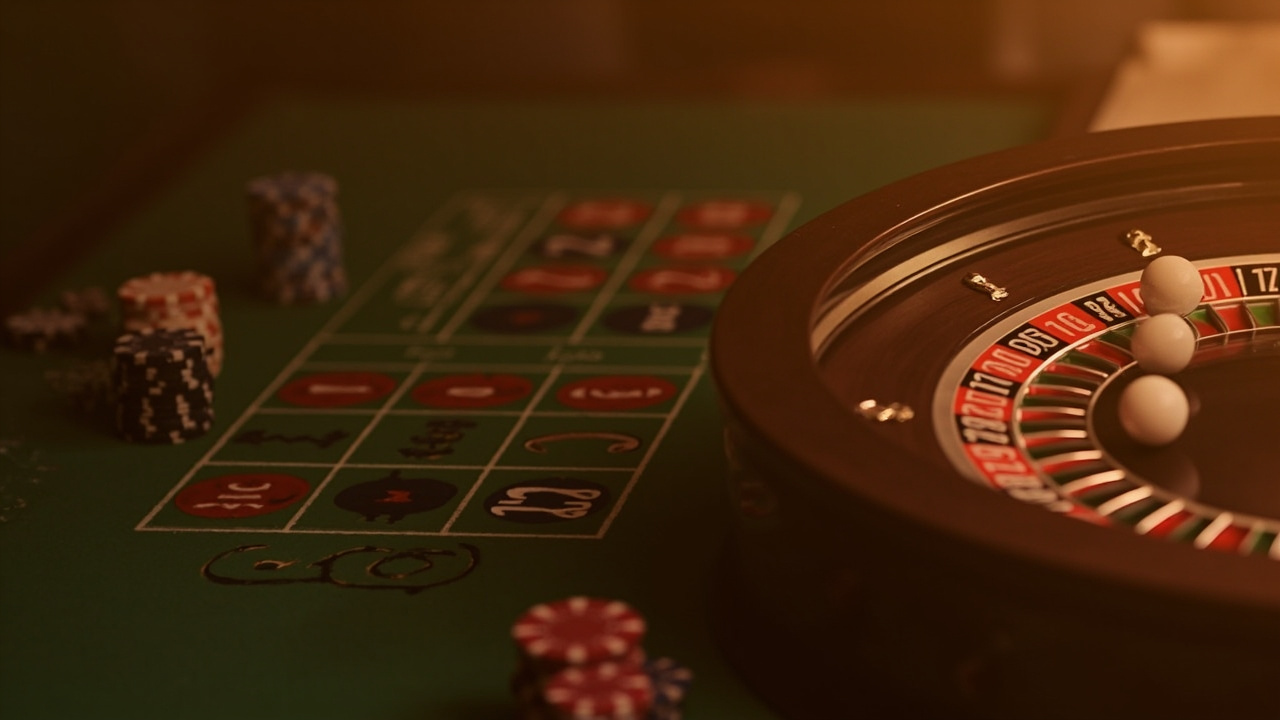
A bankroll take only works if you write it down before the first deal. Pick a number you’d happily spend on a night out, then split it into staking blocks that survive a rough patch. A sensible rule is to keep each wager under two percent of your session, so a fifty-dollar night means no more than a dollar per spin at the high end. That pace lets you ride out the swings without blowing the house on a bad hour. When you hit your loss limit, you walk away, full stop.
I’ve watched product teams argue over staking sliders for weeks, and the best ones always land on the same answer: slow and boring wins the long run. You don’t need a clever algorithm to protect a cautious researcher; you need a rule you won’t bend when the reels start singing. Think of it like loading a ute for a weekend run – you don’t pack the heavy gear on top, because the first corner throws it all off. A flat stake keeps the load low and the ride steady.slots in where’s the gold free pokies
Staking plans that actually fit
A good staking plan matches your temperament, not a marketing page. Try a flat approach for casual play, or a gentle step-down when you’re ahead so the evening doesn’t eat its own tail. The trade-off is simple: aggressive scaling can stretch a short run, but it turns a cold deck into a painful lesson. You’ll know you’ve picked the right plan when the numbers still look sane after a losing streak.
Alice Baker, Head of Operator Partnerships, Ironbark Compliance Advisory, puts it plainly when operators forget the human side of the maths.”A staking model that looks tidy on a dashboard often falls apart the moment a player has a bad hour, so we push for limits дополнительную информацию people can actually live with.” She also notes that a plan is only as good as the stop button you’re willing to press.
When to stop and why
Knowing when to stop is the skill that separates a pleasant night from a rough one. Set a win target alongside your loss limit, and lock both in before you start. Say you deposit fifty dollars and decide to walk if you drop to twenty or climb to eighty; that bracket gives the evening shape without turning it into a chase. Time matters too – a two-hour window keeps the session from drifting into the small hours when judgment goes soft.
Canberra’s local harm services run a simple check-in that works just as well at home. Ask yourself whether you’re still enjoying the game, or whether you’re feeding a machine to make up for a bad beat. The answer tells you more than any bonus banner ever will. If the mood turns sour, close the tab and call it a night; the reels will still be there tomorrow.
What the law actually says
The Interactive Gambling Act 2001 shapes what you can do here, even if the fine print feels distant. It blocks Australian operators from offering live casino and real-money online poker to residents, and it leaves offshore sites in a grey area that isn’t the same as a local licence. In practice, that means you won’t get the same protections you’d expect from a domestic regulator, so the burden of checking a site’s reputation falls on you. Read the terms, check the payout times, and treat any promise of a local stamp with scepticism.
Industry watchers keep an eye on how operators structure their offers, and you can follow that conversation over at igaming trade coverage. The same scrutiny applies to bonus mechanics, so it helps to read the fine print before you chase a welcome pack. If you want a clearer sense of how promotional language gets tested, the Walkley awards show how careful reporting separates fact from flash.
A short checklist before you play
- Write your session budget on paper and set a loss limit you’ll honour without debate.
- Choose a staking rule that keeps each wager small relative to the total, so a rough hour doesn’t end the night.
- Decide on a win target and a time cap, then stick to both even when the cards turn warm.
- Check the operator’s terms and payout times, because an offshore site isn’t covered by Australian licensing here.
- Test the mood on a free round first, and walk away the moment the game stops feeling like fun.
What’s the smallest stake I can start with? Start small enough that a bad run doesn’t ruin the evening, say a dollar or two per spin on a fifty-dollar session. How do I know the plan is working? The numbers stay sane after a losing streak, and you still feel like walking away at your limit. What if I’m ahead? Set a win target and stop there, because chasing the next big win usually gives back what you’ve won.
The next launch and your limit
The next biggest launch casino event AUD will bring the same noise, the same banners, and the same temptation to overspend on a first impression. You’ll hear the same buzz on a Friday train ride home, phones glowing under the fluorescent lights while everyone pretends they’ve worked out the perfect system. The crowd will thin out by midnight, and the ones who kept their budgets intact will still have a story to tell over a flat white.
Macau, a special administrative region of China, overtook Las Vegas as the world’s biggest gambling hub by revenue, and that scale reminds us how quickly spectacle can outrun sense. You don’t need to match that volume to enjoy a night of play; you just need a fence, a pace, and the discipline to stop when the line is crossed. The reels keep turning, but your bankroll take is what decides whether the evening ends with a laugh or a lesson.