
The Allure of Casino Games
The very nature of casino games is to captivate and enthrall players, drawing them in with the promise of excitement and potential rewards. The bright lights, lively sounds, and vibrant decorations of a casino create an atmosphere that is both stimulating and inviting. This ambiance plays a pivotal role in the psychology behind player engagement. The sensory overload not only heightens emotional responses but also fosters a sense of urgency, compelling players to participate and experience the thrill of winning. For many, platforms like 1win can enhance the environment itself, triggering a dopamine release that echoes the feelings of euphoria associated with risk-taking and gambling.
Moreover, the structural design of casino games is developed to entice players into a state of flow, where they become fully immersed in the game experience. Various elements, such as the chance to win significant sums of money, provoke excitement and anticipation, leading players to lose track of time. This psychological phenomenon can be attributed to the rewarding nature of the games, which often provide intermittent rewards. This means that players experience wins sporadically, creating a roller-coaster of emotions that keeps them engaged, sometimes for hours on end. The anticipation of a potential win can be intoxicating, making it difficult for players to walk away, even when they know they should.
The allure of these games is further amplified by the influence of social interaction. Many casinos offer environments that encourage group play, fostering camaraderie among players. This social aspect not only enhances the enjoyment of the games but also contributes to continued participation, as individuals are drawn to share their experiences. The combination of thrilling gameplay and social reinforcement creates a powerful psychological cocktail that keeps players coming back for more, further enhancing their emotional investment in the casino experience. In this way, the social dynamics of gaming become a driving force, influencing how players engage with the games and with one another.
Risk and Reward: The Gambler’s Mindset
The psychology of gambling is intricately tied to the risks and rewards associated with casino games. Most players are drawn to the thrill of taking risks, often due to a belief in their ability to influence outcomes through skill or strategy. This is particularly evident in games like blackjack or poker, where players feel empowered to make decisions that could lead to victory. The potential for significant financial gain can cloud judgment, leading players to overestimate their chances of winning and downplay the role of luck in the gaming process. This cognitive bias can skew their perception, making them believe they have more control than they actually do.
The excitement of a potential win can be irresistible, leading to a phenomenon known as “loss chasing,” where players continue to gamble in an attempt to recover losses. This behavior can often result in a cycle of increased betting and emotional distress, as players believe that a win is just around the corner. The psychological impact of chasing losses can create a distorted perception of reality, leading individuals to rationalize their decisions despite the mounting evidence against them. This tendency can result in significant financial and emotional consequences, as players become trapped in a cycle of hope and despair.

This mindset is further influenced by cognitive biases, such as the “gambler’s fallacy.” This is the mistaken belief that previous outcomes affect future results, leading players to make irrational decisions based on trends that do not exist. For example, a player might assume that after a series of losses, a win is due. These biases not only impact individual decision-making but also contribute to a broader understanding of the risks associated with gambling. By recognizing these psychological patterns, players can better navigate the complex emotional landscape of casino gaming and make more informed decisions regarding their participation.
The Role of Cognitive Dissonance
Cognitive dissonance plays a significant role in the psychology of casino games, as players often find themselves grappling with conflicting thoughts and feelings about their gambling habits. This psychological discomfort arises when individuals engage in behavior that contradicts their beliefs or values, leading to a struggle to reconcile the two. For example, a player might believe that gambling is wrong or financially reckless, yet feel compelled to continue playing due to the thrill it provides. This inner conflict can lead to feelings of shame and guilt, further complicating their relationship with gambling. The struggle to align their actions with their beliefs can create a cycle of negative emotions.
This dissonance is heightened by the frequent wins that players experience, even if they are outweighed by losses. The intermittent rewards create a powerful reinforcement loop, where the joy of winning overshadows the knowledge of potential negative consequences. Players often convince themselves that they are in control and can manage their gambling behaviors, despite evidence to the contrary. This rationalization serves to mitigate their discomfort, allowing them to continue engaging in behaviors that might otherwise conflict with their values. Over time, this can lead to a more entrenched gambling habit, as the emotional highs from wins become increasingly compelling.
Understanding cognitive dissonance in the context of gambling is essential for promoting responsible gaming. By recognizing the psychological mechanisms at play, players can develop healthier coping strategies and make more informed decisions regarding their gambling habits. Implementing self-reflection and awareness can help individuals break free from the cycle of dissonance. By fostering a greater understanding of their motivations and behaviors, individuals can achieve a more balanced and responsible approach to casino gaming, ultimately leading to healthier choices and outcomes.
Emotional Triggers in Gambling
The emotional landscape of gambling is complex and multifaceted, influenced by various psychological triggers that can significantly impact player behavior. Emotions such as excitement, anxiety, and even depression can intertwine during a gaming experience, driving players to engage in riskier behaviors. For instance, the excitement of a near win can lead to a spike in adrenaline, which players might misinterpret as a sign of impending success. This misjudgment can motivate them to continue playing even after setbacks, as they chase the elusive thrill. This emotional turbulence often clouds judgment and can lead to compulsive gambling patterns that are hard to break.
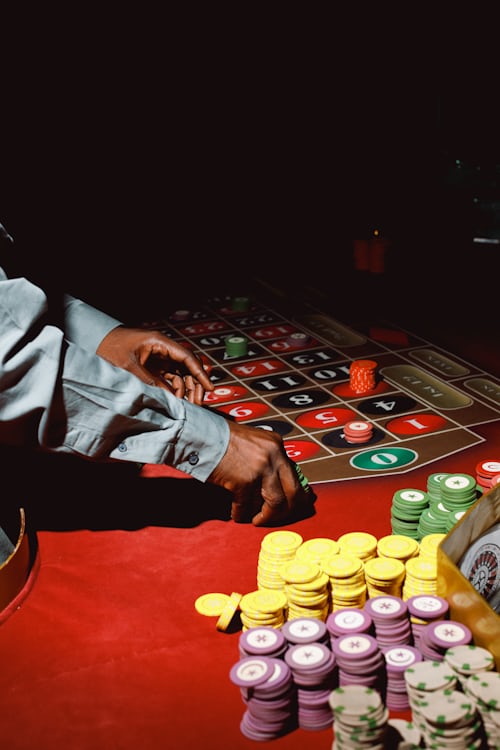
Furthermore, emotional triggers can be exacerbated by external factors, such as peer pressure and social norms. When gambling in a social setting, the emotional stakes can rise dramatically as players seek validation from their peers. This desire for acceptance can lead to impulsive decisions, such as betting more than one can afford to lose, simply to maintain appearances or to fit in with a group. The interplay of emotions in these contexts can create a heightened sense of urgency, pushing players deeper into the gambling experience. This social reinforcement can significantly alter individual behavior, making it more challenging to adhere to personal limits.
Recognizing the emotional triggers associated with gambling is essential for developing healthier gaming habits. Players who become aware of their emotional responses can better manage their impulses and avoid situations where emotions may lead to poor decision-making. By cultivating emotional intelligence and self-awareness, individuals can enjoy the entertainment aspect of casino games while minimizing the negative psychological impacts that often accompany excessive gambling. Developing coping strategies that address emotional triggers can empower players to take control of their gaming experience and make more rational, thoughtful decisions about their participation.
Understanding Casino Resources and Support
With the increasing awareness of the psychological impacts of gambling, various resources and support systems have emerged to foster responsible gaming practices. Many casinos now implement programs aimed at educating players about the risks associated with gambling and the importance of setting limits on their activities. These initiatives often provide informational materials on recognizing problem gambling behaviors and promoting self-exclusion options for those who may need to take a break from gambling. The proactive approach of casinos in addressing these issues can significantly enhance player awareness and promote healthier habits.
In addition, numerous organizations offer support for individuals struggling with gambling addiction, providing counseling, treatment, and community resources. These services aim to help individuals address their emotional and psychological challenges related to gambling. They promote healthier coping strategies and responsible gaming habits, emphasizing the importance of mental health and well-being. By prioritizing these aspects, the casino industry can play a crucial role in encouraging positive gambling experiences and supporting those in need of help.
Through a collaborative effort between casinos, support organizations, and players, a culture of responsible gaming can emerge. By fostering an environment that promotes self-awareness and accountability, the psychological implications of gambling can be mitigated. This allows individuals to enjoy the excitement of casino games while maintaining control over their actions. This collective commitment to responsible gaming is essential for ensuring a healthier relationship with gambling in the future, reinforcing the idea that gaming can be an enjoyable activity when approached with mindfulness and respect for personal limits.