
The psychological effects of layout and flow
The layout of a casino plays a crucial role in shaping the behavior of its patrons. A well-designed floor plan can facilitate movement, guiding players towards high-traffic areas like gaming tables and slot machines. This intentional flow not only maximizes exposure to different gaming options but also encourages players to spend more time within the venue. By strategically placing popular games near entrances or in high visibility zones, casinos can effectively draw in foot traffic and stimulate engagement with various offerings. For example, when players enter a casino and see vibrant slot machines or bustling tables, they are more likely to be enticed to participate, especially when they discover the best online casino australia offerings, driven by the lively atmosphere.
Moreover, the psychological principles of design come into play, influencing how players perceive their surroundings. For instance, open spaces can create a sense of freedom and excitement, making players feel more comfortable and willing to explore. Conversely, a cramped or poorly organized environment can evoke feelings of frustration or confinement, which may deter patrons from participating in games. Understanding these dynamics allows casinos to craft experiences that resonate positively with visitors, fostering a more enjoyable atmosphere. Engaging designs can lead to increased dwell time, which correlates with higher spending, as players are more inclined to try different games and amenities when they feel at ease.
The strategic use of pathways and sightlines is another critical aspect of casino design. By creating clear sightlines to active gaming areas, casinos can enhance the excitement among potential players. Patrons are naturally drawn to the energy and social interactions that develop around busy tables or popular machines. This visual connection can elicit a desire to participate, tapping into the social nature of gaming where players often thrive on the communal experience of winning and losing together. When patrons can easily see others enjoying the games, their motivation to join in increases, creating a vibrant and dynamic environment that fosters engagement.
The role of lighting and ambiance
Lighting in a casino is not merely a practical consideration; it serves as a powerful tool for influencing player mood and behavior. Bright, vibrant lights can generate feelings of energy and excitement, encouraging patrons to engage more actively with the games. In contrast, softer and dimmer lights can create a more intimate atmosphere, promoting a relaxed environment where players linger longer. Thus, the right balance of lighting can enhance the overall experience, guiding emotional responses and affecting the duration of play. For instance, a casino might choose to implement bright, colorful lights in the gaming areas while opting for softer hues in lounge and dining spaces, balancing excitement with relaxation.
Ambient music also plays a significant role in shaping the atmosphere within a casino. The choice of soundtracks can either elevate the excitement or provide a calming backdrop to gameplay. Studies show that faster tempos may encourage players to make quicker decisions, while slower beats can lead to more contemplative play. This auditory experience complements the visual elements of design, creating a multisensory environment that keeps players engaged for extended periods, ultimately impacting their spending behavior. The careful curation of music and lighting works in tandem to create an environment that stimulates the senses, enhancing the overall gaming experience.
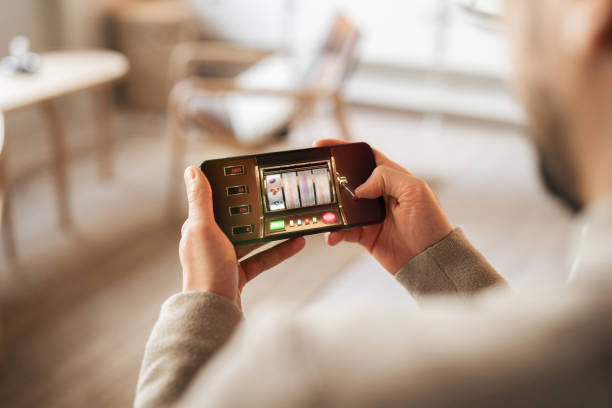
Moreover, the combination of lighting and sound can be meticulously crafted to evoke specific emotions at different times of the day. For instance, during peak hours, vibrant lights and upbeat music can create a lively and thrilling atmosphere, while at quieter times, a more subdued ambiance may be favored. By adapting the environment to cater to different moods and times, casinos can maintain player interest and prolong attendance, maximizing the potential for revenue generation. This thoughtful approach to ambiance not only enhances the player experience but also drives higher levels of customer satisfaction and loyalty.
Color theory and its influence on gaming
Color has a profound impact on human psychology and behavior, and casinos expertly leverage this to enhance player experiences. The use of specific color palettes can evoke certain emotions or drive particular behaviors. For example, red and yellow are colors often associated with energy and excitement, making them popular choices for gaming areas. These colors can stimulate appetite and excitement, encouraging players to engage more actively with the gaming offerings available. Casinos may also use greens and blues in more subdued areas to promote calmness and relaxation, balancing the energetic zones with spaces that allow players to recharge.
Additionally, the strategic use of color can aid in wayfinding within the casino. Different sections may be color-coded to signify various types of games or entertainment, making it easier for players to navigate the space. This not only enhances the overall experience but also reduces frustration, which could lead to lower participation rates. A well-managed color scheme can effectively guide patron behavior, allowing casinos to optimize the flow of traffic and maintain engagement. By ensuring that players can easily identify their favorite games or amenities, casinos can create an intuitive space that encourages exploration.
Moreover, cultural interpretations of color must also be considered in casino design. While red may symbolize luck and prosperity in many cultures, its meaning can vary significantly across different regions. Casinos that cater to a diverse clientele must be mindful of these cultural differences when selecting colors for their environments. By designing spaces that resonate with the players’ backgrounds and expectations, casinos can create a more welcoming and immersive environment that encourages return visits. Understanding the cultural significance of color allows casinos to forge deeper connections with their patrons, leading to enhanced loyalty and engagement.
The impact of amenities on player retention
Casinos today are not just about gaming; they are full-fledged entertainment complexes offering a range of amenities that significantly impact player behavior. Restaurants, bars, shopping areas, and entertainment venues are integrated to create a holistic experience. Providing appealing amenities can draw players into the casino, increasing their length of stay and, ultimately, their gambling expenditures. A well-placed restaurant or lounge can become a social hub, encouraging players to take breaks from the gaming floor while ensuring they remain within the vicinity. This strategy effectively keeps players engaged with the overall experience, rather than solely focusing on gaming.
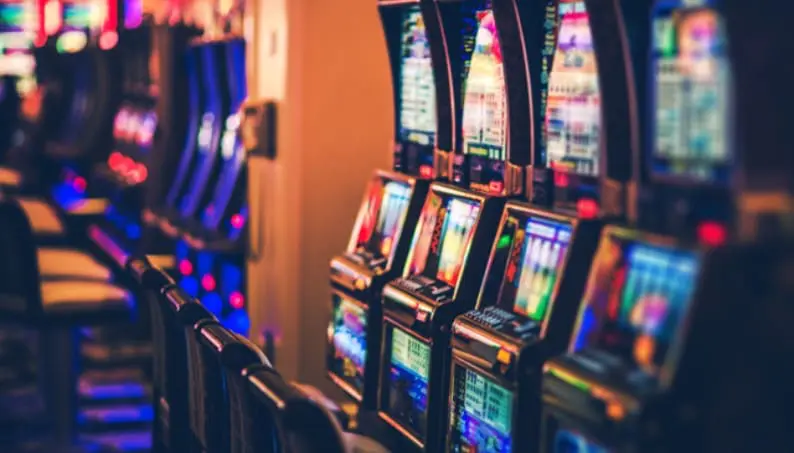
Moreover, complimentary services such as drinks and snacks are strategically offered to enhance the player experience. These perks create a sense of value and luxury, making players feel cared for and appreciated. This hospitality can lead to increased loyalty, encouraging patrons to return to the casino where they feel welcomed. The availability of such amenities significantly influences the decision to stay longer rather than leaving after a few rounds of play. By fostering an environment where players feel valued and attended to, casinos can build long-lasting relationships that translate into repeat visits.
Ultimately, the synergy between gaming and amenities fosters a vibrant social environment that enhances the overall experience. By designing spaces that promote interaction and leisure among players, casinos can create a destination where individuals are more inclined to spend time and money. This interconnectedness between gaming, socializing, and relaxation underscores how thoughtful amenities can influence player behavior and build a steadfast customer base. A casino that successfully integrates its gaming experiences with robust amenities can transform a simple visit into an unforgettable outing that players are eager to repeat.
Creating an online presence to enhance engagement
In the modern gaming landscape, the role of digital engagement cannot be understated. Online platforms that complement the physical casino experience can significantly influence player behavior. A well-designed website or mobile application can enhance player retention by offering games, promotions, and community interactions that extend beyond the physical premises. This digital presence allows casinos to maintain a continuous relationship with players, offering exclusive online experiences that keep them engaged and informed. By leveraging technology, casinos can create a seamless transition between online and in-person gaming experiences, thereby fostering deeper connections with their patrons.
Moreover, implementing loyalty programs through digital channels can foster a sense of belonging among players. By offering rewards, bonuses, and personalized experiences, casinos can encourage repeat visits and foster long-term loyalty. Players who feel appreciated and valued are more likely to choose the same brand for their gaming experiences, whether in person or online. Hence, an effective online strategy can significantly impact overall player behavior and spending habits. The integration of online rewards with in-casino experiences can enhance the overall appeal, making it more enticing for players to return.
Additionally, online platforms provide casinos with valuable insights into player preferences and behaviors. Analyzing data from online interactions can help casinos tailor their offerings, promotions, and even design aspects of the physical space. By understanding what attracts players online, casinos can implement similar strategies in their designs, creating cohesive experiences that resonate across all platforms. Emphasizing digital engagement can enhance player loyalty and enrich the overall casino experience, leading to a more robust and interconnected gaming environment that benefits both the player and the establishment.